"This was amazing day. I learn lots that day and see many places I saw in tv.But now was real.Guide was very professional"
NYC to Washington
Train, Bus or Guided Tour?
Three ways to Washington, compared door to door.
From
$108
per person
Free cancellation
- 4.7 / 5 557+ Reviews
- 14–15 hours Duration
- 540+ Guest Reviews
- 3 Departures 6, 7 or 8 AM
- Free Cancellation
Book Your Day Trip
Check Availability & Prices
Select your preferred date and time. Instant confirmation — free cancellation up to 24 hours before departure.
The Experience
Why Many First-Timers Pick the Guided Tour
One booking covers the drive, the guide and the route, rated 4.6 from more than 540 reviews.
Highlights
- Rated 4.6 from more than 540 reviews
- An hour's guided walk at Arlington National Cemetery
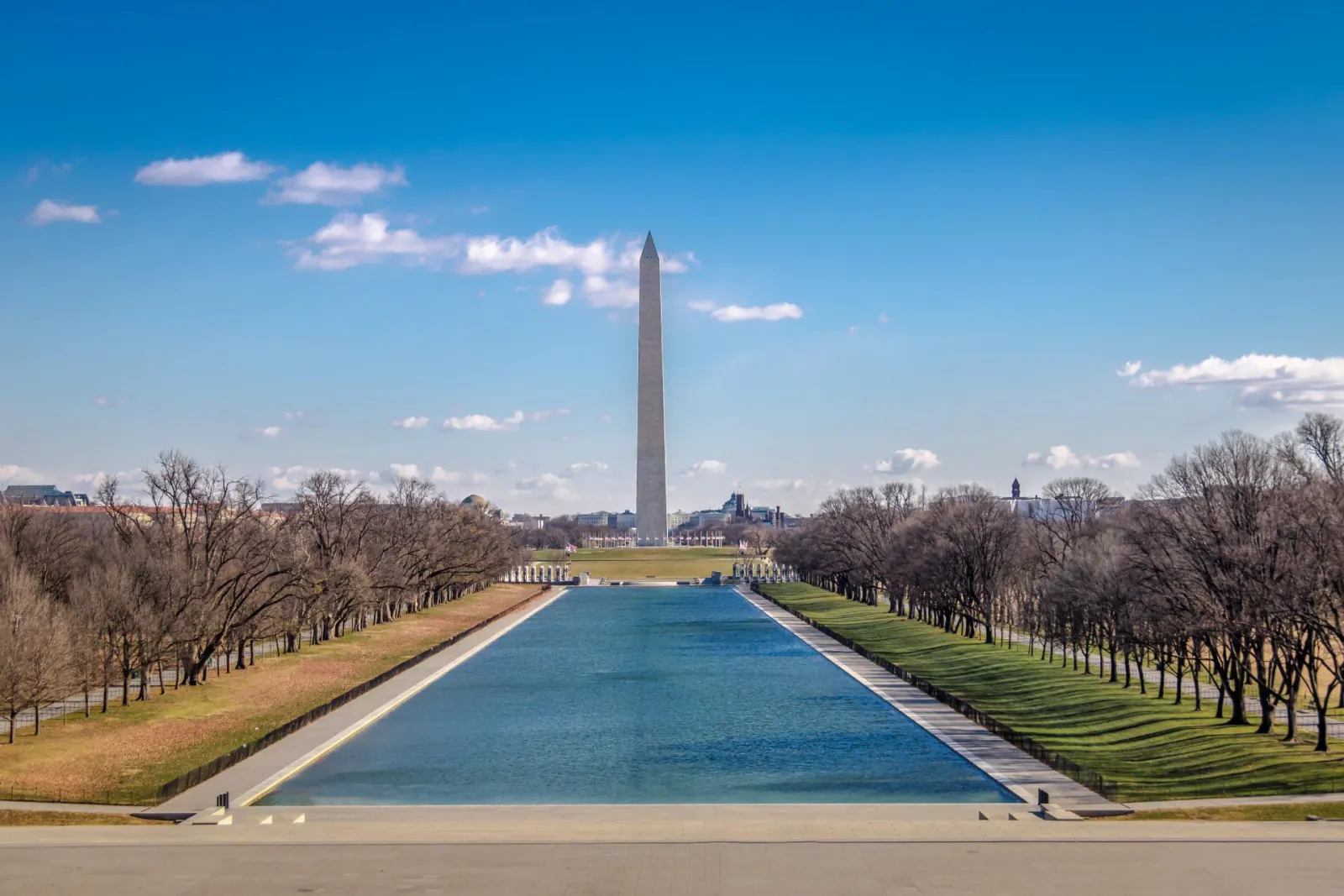
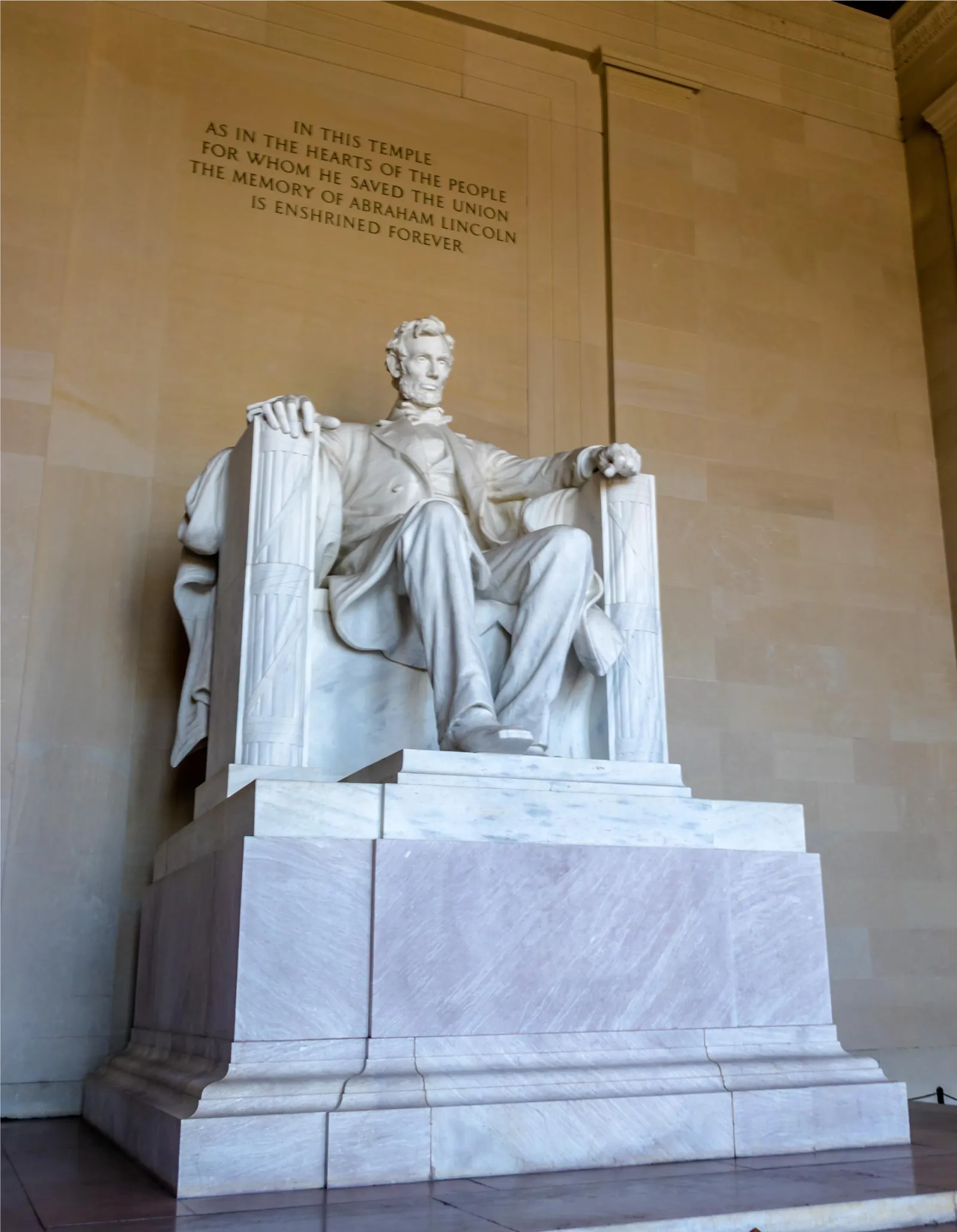
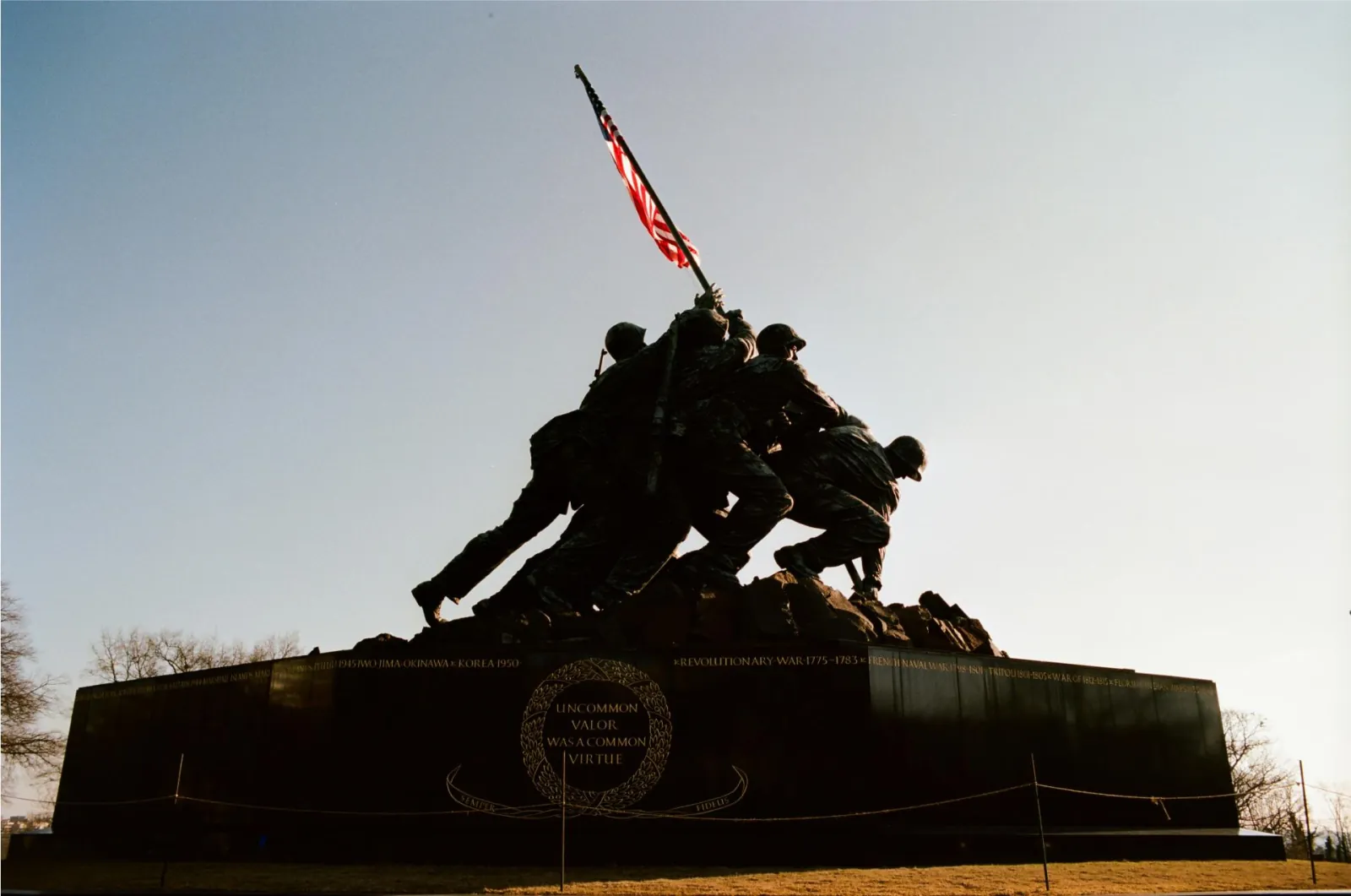
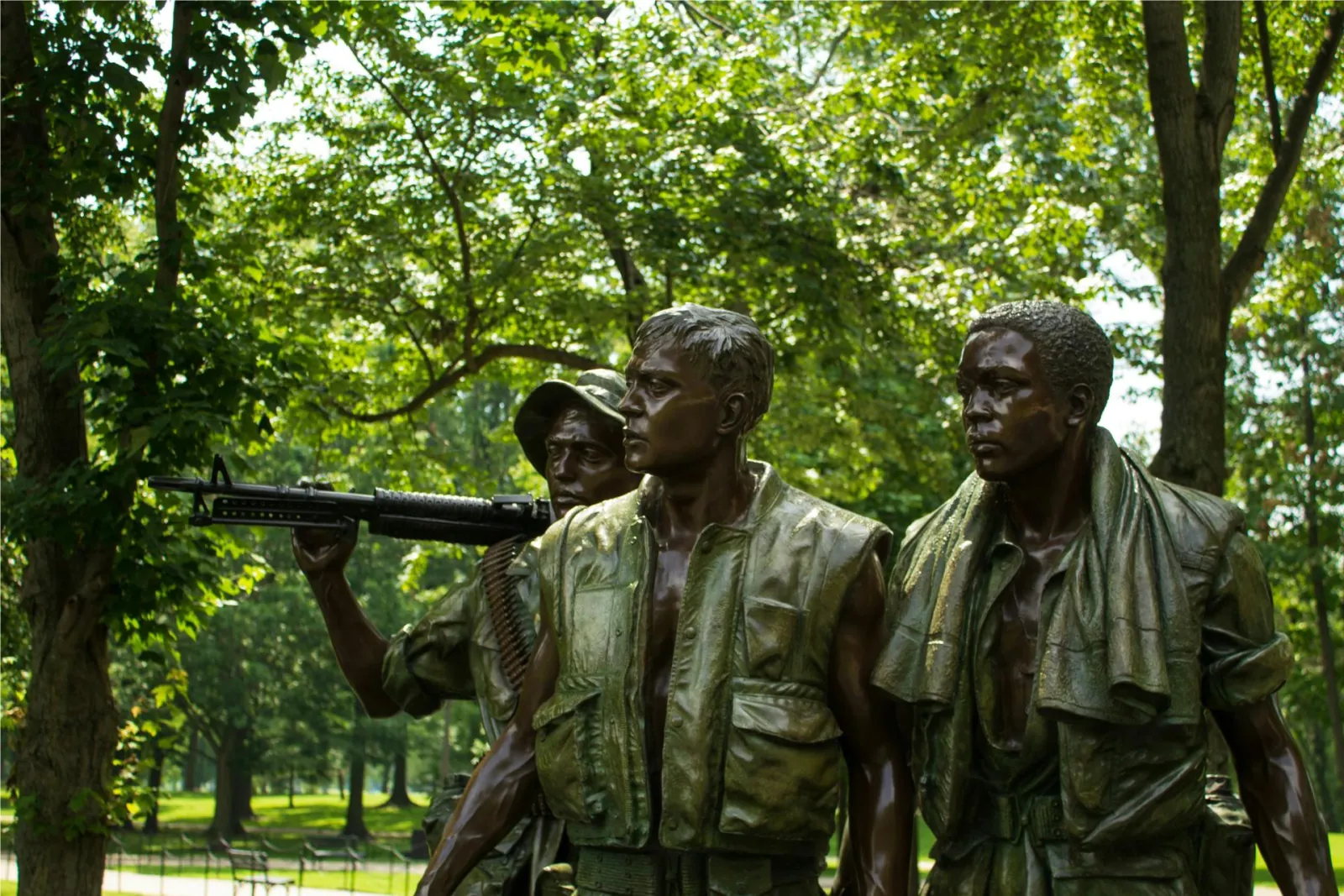
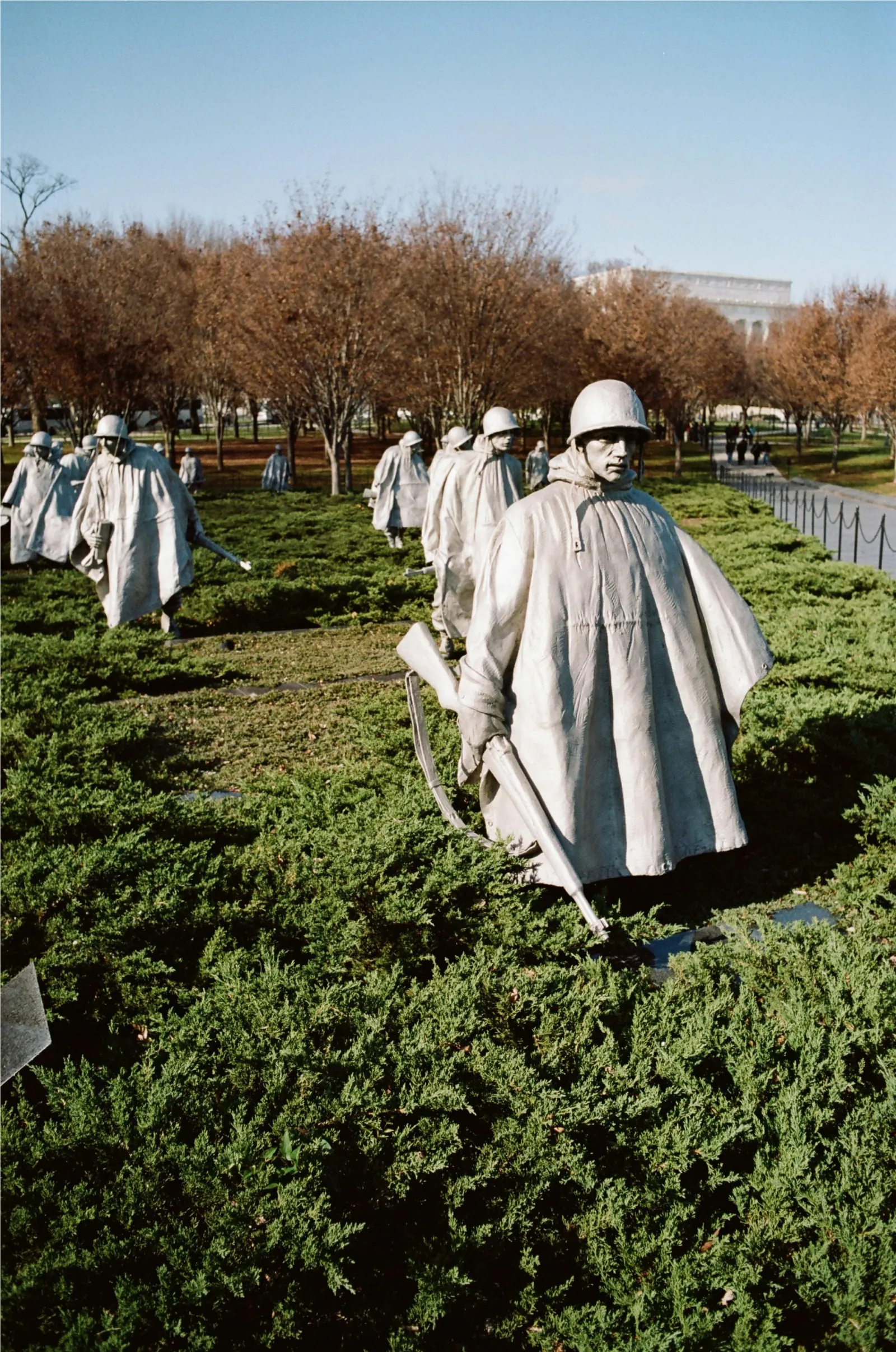
- The Lincoln, Vietnam Veterans and Korean War Veterans Memorials with your guide
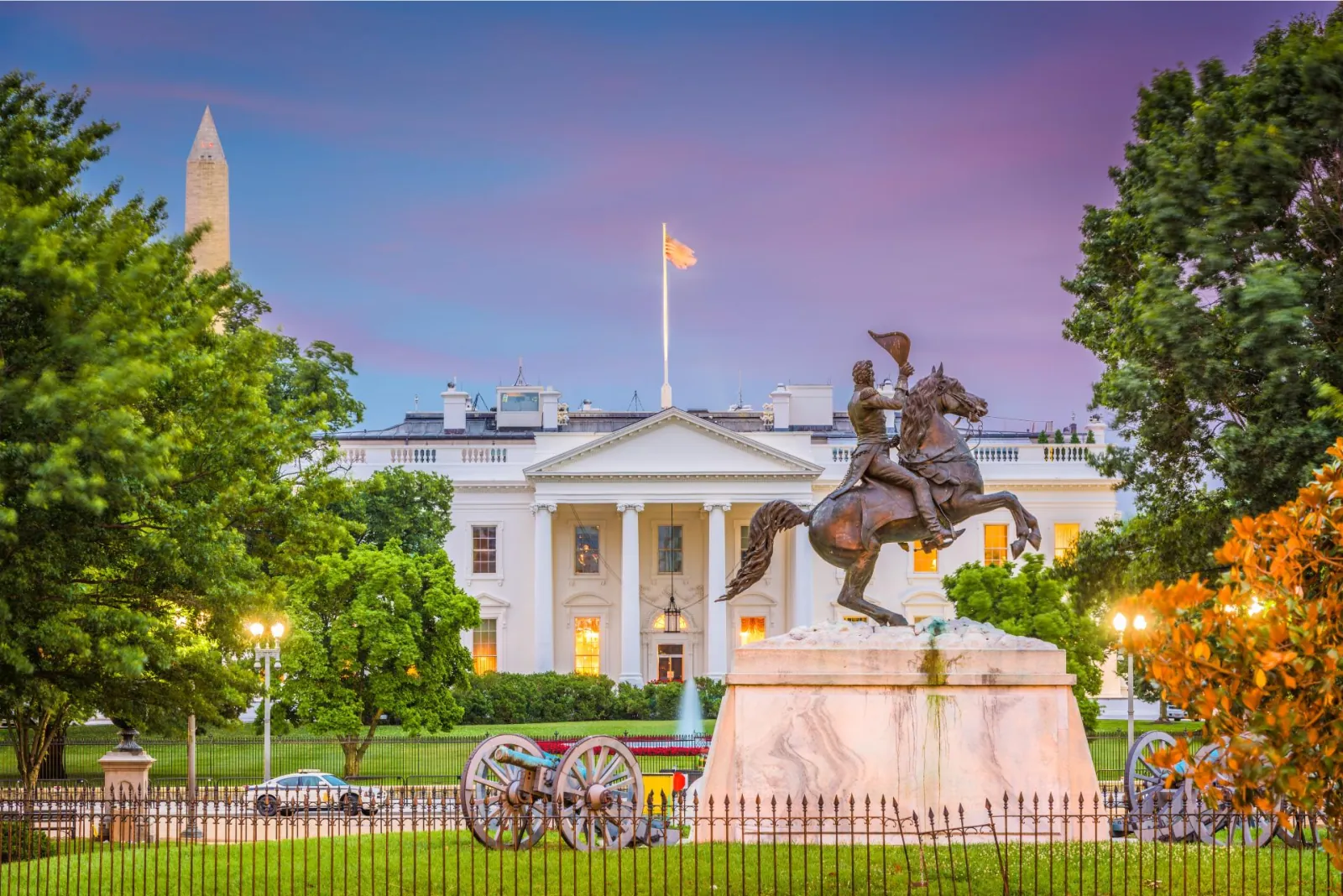
- Photo stops at the White House and the U.S. Capitol
- 90 minutes of free time on the National Mall for a Smithsonian museum
- A night-time view of the Manhattan skyline from Hamilton Park on the way home
What's Included
- Round-trip transport from Midtown Manhattan
- Professional guide in English or Spanish
- A 40-minute breakfast stop in Maryland
- Guided walks at Arlington, the Lincoln Memorial and the war memorials
- 90 minutes of free time on the National Mall
- Drop-off in the Times Square area
How the Guided Day Works
Leave Midtown in the morning, see the memorials with a guide, and be dropped near Times Square that night.
Pick a Departure
Choose 6:00, 7:00 or 8:00 AM from 7th Avenue and West 51st Street when you book.
Breakfast in Maryland
A 40-minute stop on the drive south, then on to Virginia and the Pentagon.
Arlington and the Mall
An hour on foot at Arlington, then the Lincoln, Vietnam and Korean War memorials and photo stops at the White House and Capitol.
Free Time, Then Home
Ninety minutes on the National Mall, then the drive back with a night stop for the Manhattan skyline.
Other Experiences
Other experiences you might enjoy
Other ways to spend a day from New York or in Washington: the Statue of Liberty and Ellis Island, a Hudson River cruise, the Smithsonian museums, and monuments by moonlight on the National Mall.
Photo Gallery
What the Guided Day Covers
Arlington, the memorials and the Mall, with transport sorted.

Guided Tour, Train + Guide or Bus + Trolley?
Three ways to see Washington from New York, costed and timed.
| Feature | LEAST PLANNING Guided Coach Day Trip | Amtrak + Private DC Guide | Bus + Hop-On Hop-Off |
|---|---|---|---|
| Each way | About 4.5 h by coach | About 3 h 20–3 h 30 (Regional) | About 4–5 h by bus |
| Travel cost | Included | From ~$30 each way early; $200+ late on Acela | Typically $20–50 each way |
| Sightseeing cost | $108 per person, all in | $520 per group (up to 5) | $55 per person |
| Time in DC | About 5 hours | Up to 9 hours on a weekday | Depends on your bus times |
| Planning | One booking | Trains, pickup, return timing | Buses, stops, return timing |
| Missed the ride home? | ✓ Coach returns with the group | Value fares can't be changed | Check your bus fare rules |
| Rating | 4.6 from 557 | 4.7 from 44 | 4.3 from 737 |
| Check Dates | See the DC Guide | See the Trolley |
Other Ways to Go
More Washington Tours from New York
Philadelphia and Washington in one day, two days with a hotel, a private car, and a night tour for travellers who come by train.
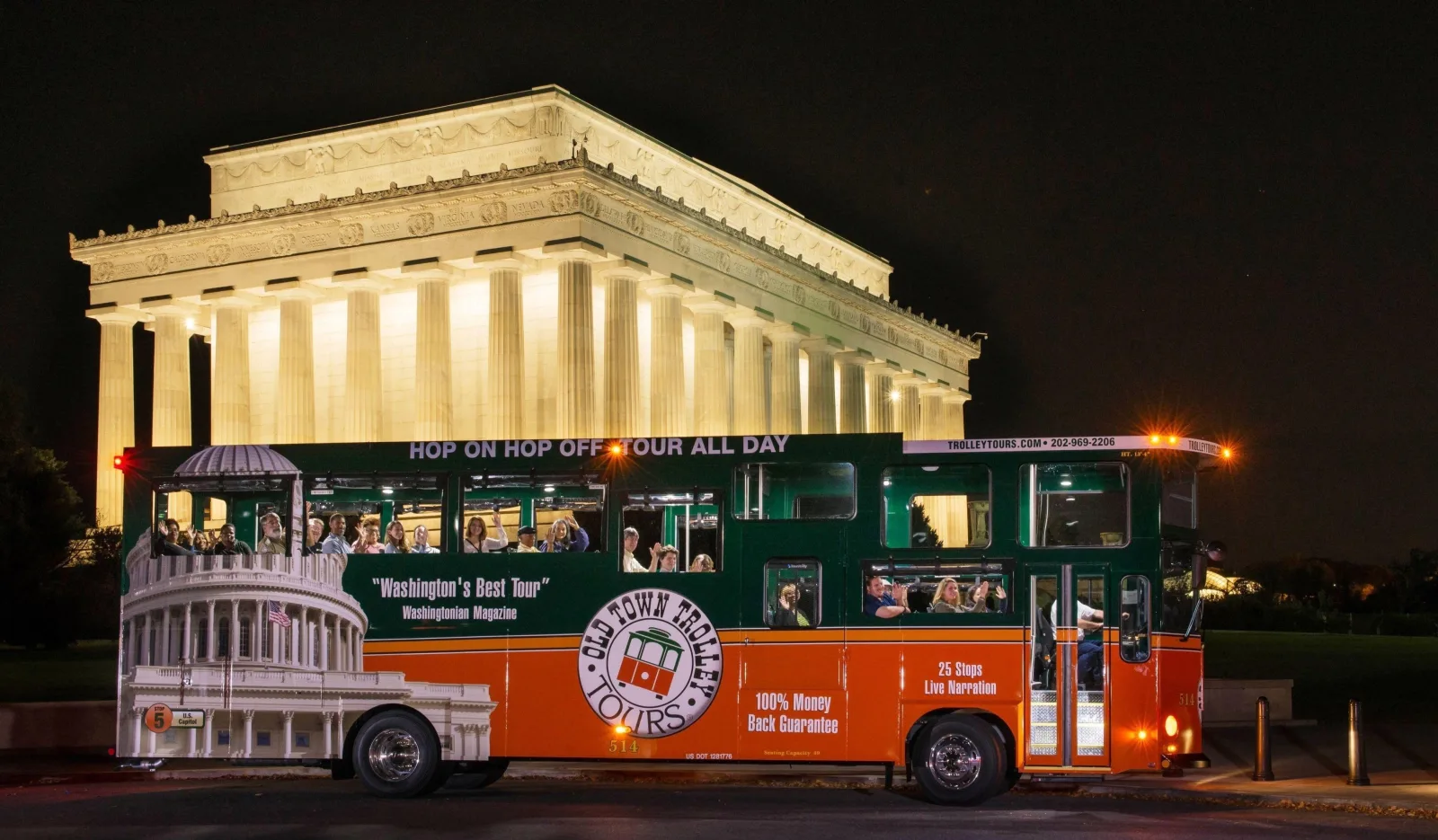 BY TRAIN: NIGHT TOUR
Washington DC: Monuments by Moonlight Nighttime Trolley Tour
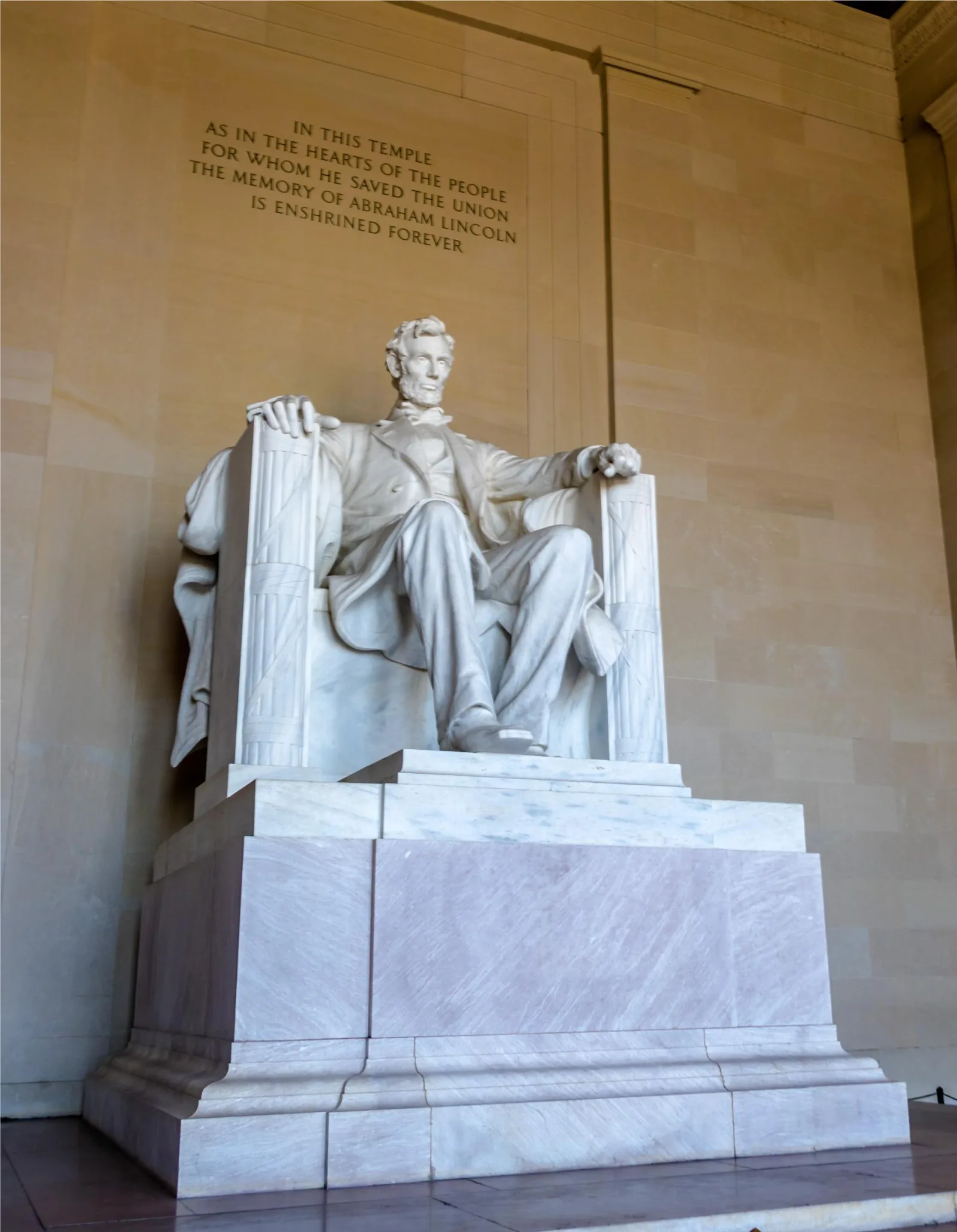 4.6 FROM 540+
From NYC: Washington Highlights Guided One Day Tour
 DC + PHILADELPHIA
From NYC: Washington & Philadelphia Full Day Guided Tour
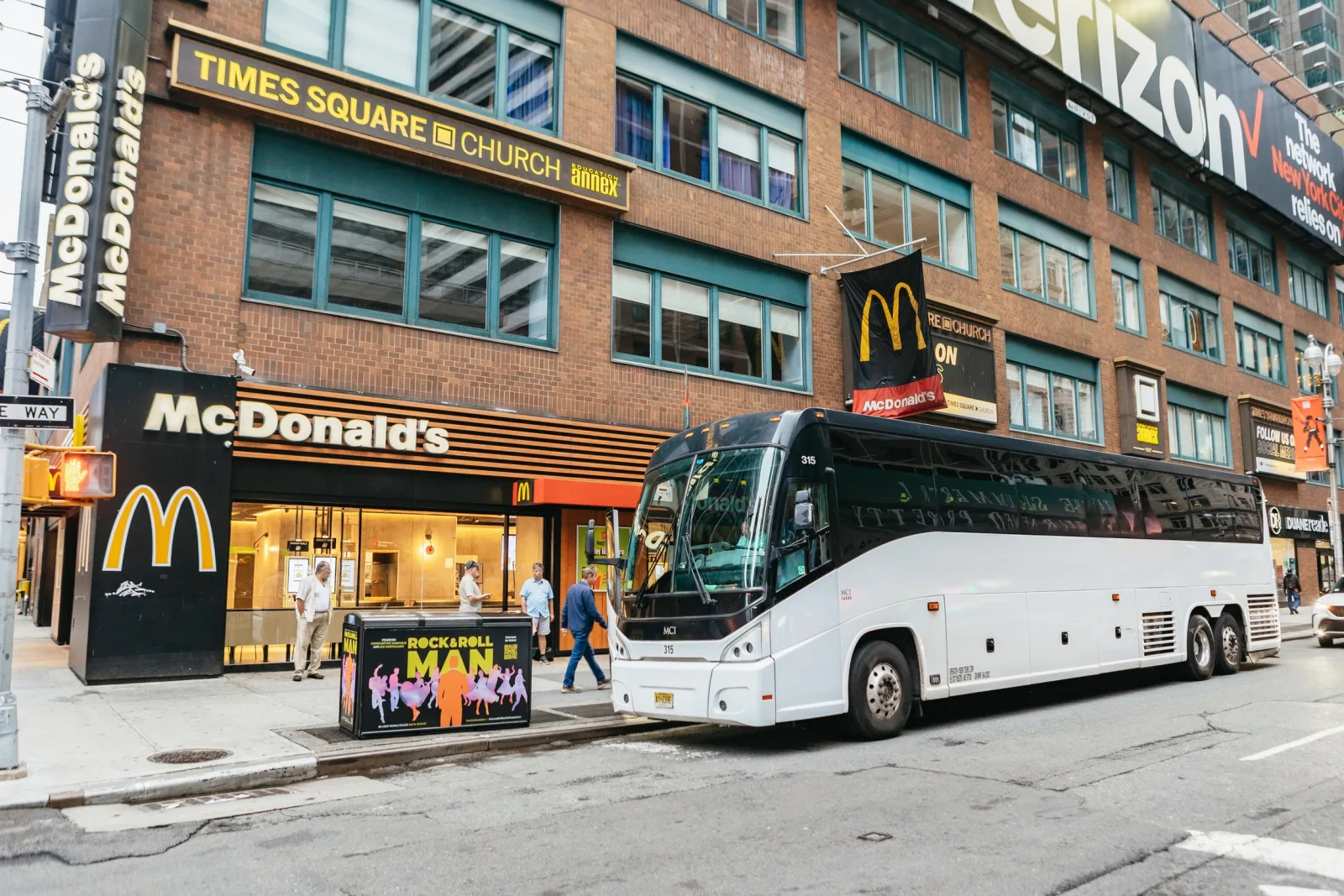
Two capitals in one very long day, for $115 per person. The coach leaves the Times Square area at 5:00 AM with a bilingual English and Spanish guide licensed in both Washington and Philadelphia.
 4.7 FROM 600+
Washington DC Day Trip by Bus from New York City
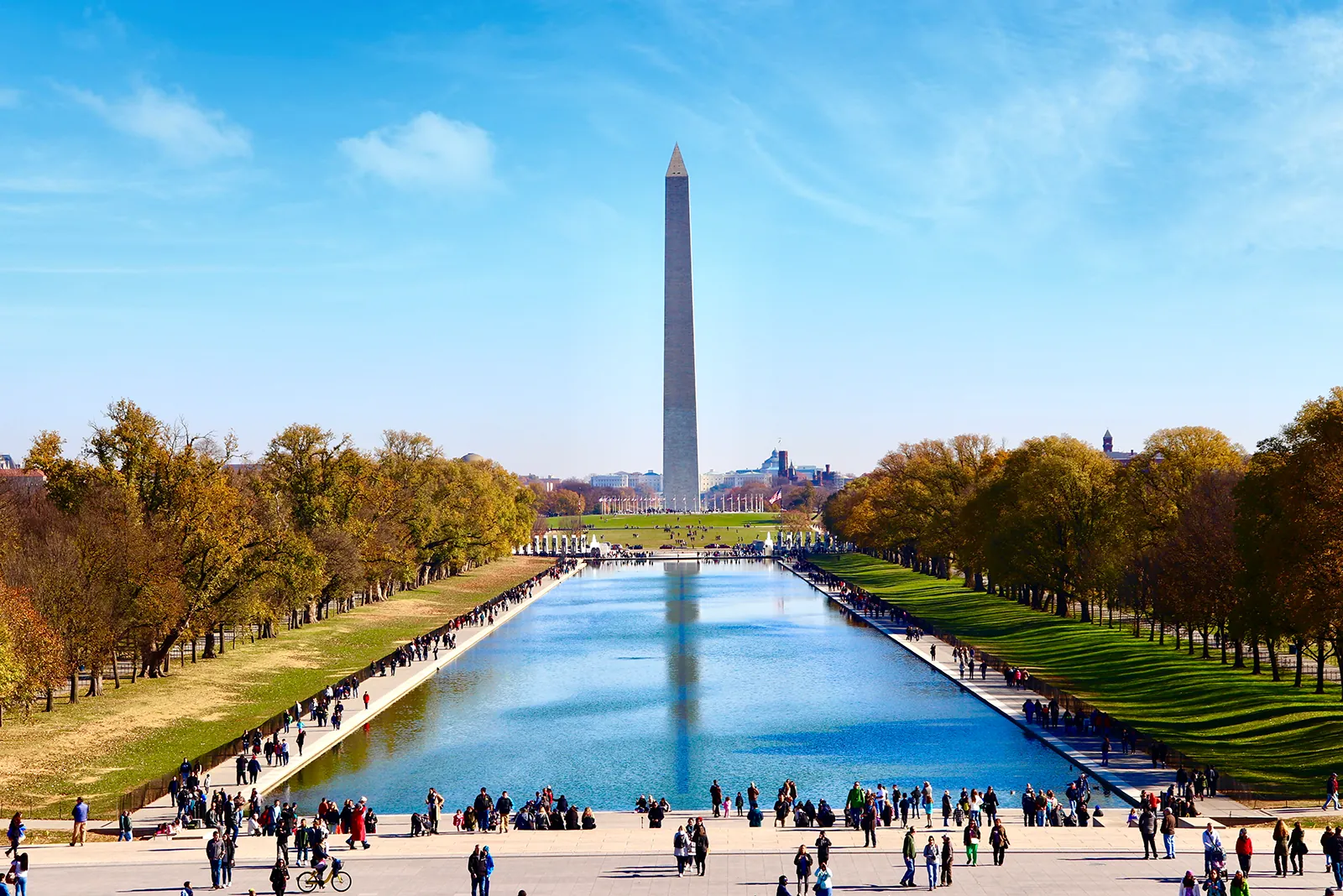
A 14-hour day trip by air-conditioned bus from Midtown Manhattan, with an English or Spanish-speaking guide and admissions included. At 4.7 from more than 600 reviews, it is the best-rated of the well-reviewed shared day trips on this site.
 2 DAYS + HOTEL
NYC: Philadelphia, Washington DC & Amish Country 2-Day Tour
 PRIVATE CAR
Washington DC from NYC Private Full-day Trip by Car
A private New York to Washington day, door to door: a licensed driver collects you from your own accommodation in New York City at about 7:00 AM, and nobody else rides in the car all day.
Train, Bus or Tour
Convenience or Control: How the Three Compare
Which is fastest, cheapest, easiest and gives you the most hours in Washington, and when an overnight beats all three.
The short answer
The train is the fastest way to Washington and gives you the most hours there. The bus is the cheapest ticket. A guided coach tour is the least planning, because one booking covers the ride, the guide and the route. None of them wins for everyone. Which one suits you depends on what you want to do once you arrive.
| Guided coach tour | Amtrak train | Intercity bus | |
|---|---|---|---|
| Door to door, each way | About 4.5 hours, breakfast stop included | About 3 h 20 to 3 h 30 on the Regional, 2 h 45 to 3 h on Acela, plus getting to the station | About 4 to 5 hours, plus getting to the stop |
| Cost | $107 to $129 per person, sightseeing included | From around $30 each way booked early; late-booked Acela $200 or more each way | Typically $20 to $50 each way |
| Planning | Book one ticket | Two trains, a route in DC, the return timing | Two buses, a route in DC, the return timing |
| Time in Washington | About five hours | Up to nine hours on a weekday | Depends on the bus times you get |
In short:
- Best for a first visit: a guided day tour from Manhattan.
- Best for flexibility: Amtrak, on the Northeast Regional or Acela.
- Best on a budget: the intercity bus.
- Fastest, city centre to city centre: the train.
- Least planning: a guided tour.
- Best for museums or a timed Capitol visit: the train.
- Most famous sights with the least navigating: a guided tour.
- Weakest for a same-day trip: the bus on your own, unless the price matters much more than the time.
Which is right for you?
Take the train if you dislike organised tours, want to choose exactly what to see, care about museums, want to book a timed Capitol or Washington Monument visit, would spend money to save time, are happy to plan your own transport in DC, or might stay the night.
Take an intercity bus if price is your biggest concern, you are comfortable with a long travel day and some uncertainty from traffic, you do not mind arriving at a bus stop with no sightseeing plan attached, or you are staying overnight.
Take a guided tour if this is your first visit to Washington, you only have one day, you mainly want the famous landmarks, you do not want to work out transport in DC, you like having a guide’s commentary, or you want Arlington and the central monuments on the same day.
At a glance
| Train | Intercity bus | Guided day tour | |
|---|---|---|---|
| Speed | Fastest | Varies with traffic | Longest day overall |
| Price | Usually the dearest way on your own | Usually the cheapest | Mid-range, sightseeing included |
| Comfort | Best | Depends on the operator | Usually a comfortable coach or van |
| Traffic risk | Very low | High | High |
| Planning | Moderate | High | Very little |
| Guide | No | No | Yes |
| Transport around DC | No | No | Yes |
| Freedom | High | High | Low |
| Museums | Easy to put first | Possible | One short slot at most |
| Arlington | Possible, but another transport leg | Possible | Included on most tours |
| For a first visit | Good | Weak | Excellent |
| On a tight budget | No | Yes | Sometimes |
| For a relaxed day | The best of the three | No | No |
| For seeing a lot quickly | Good | Weak | Excellent |
Which is fastest?
Amtrak is the fastest way from New York to Washington without flying. The Northeast Regional takes about 3 hours 20 to 3 hours 30 minutes from Penn Station (Moynihan Train Hall) to Union Station, and Acela about 2 hours 45 minutes to 3 hours. A coach tour spends about four and a half hours on the road each way, including a breakfast or coffee stop, and intercity buses take four to five hours.
Traffic is the difference. The train runs on its own tracks, while any road trip south goes through the New Jersey Turnpike, the Delaware Memorial Bridge and Baltimore, and a bad morning there eats into your time in Washington.
Which is cheapest?
The intercity bus is the cheapest ticket, at typically $20 to $50 each way on FlixBus, Megabus, Greyhound or Vamoose. The cheapest whole day depends on how you count, though.
A guided day trip costs $107 to $129 per person for the Washington-only tours on this site, with the drive and a guide included. Our Washington day-trip cost breakdown adds food, the Metro and tips for each way of travelling. Amtrak fares change daily. Book a Northeast Regional weeks ahead and you can travel from around $30 each way; buy an Acela seat a few days out and it can be $200 or more each way. Add the train to a DC tour and the total climbs quickly. For a solo traveller or a couple booking late, the coach tour is often the least expensive way to see the monuments with a guide.
Which needs the least planning?
The guided tour, by a distance. You pick a departure time, turn up at a Midtown street corner and the rest is decided for you: the order of stops, where to park, when to eat and when to leave.
With the train or the bus, you plan everything after you step off. That means booking both legs, working out how to get from Union Station to the Lincoln Memorial about two miles away, deciding which memorials you can reach on foot, and keeping an eye on the clock for the ride home. None of it is difficult, but it is work on a day that is already long.
Which gives you the most time in Washington?
The train, comfortably. On a weekday you can leave Penn Station at 6:32 AM, reach Union Station at 10:01, and board a Regional home at 7:12 PM. That is about nine hours in the city.
A coach tour gives you about five hours in and around Washington, including a guided walk at Arlington National Cemetery on most routes. The Washington highlights tour we feature here ends with 90 minutes of free time on the National Mall, enough for one Smithsonian museum. If museums are the point of your day, the train or an overnight gives you more of them.
Hours alone are not the whole story, though. The train gives you more free time, which suits museums, the Capitol interior, the Library of Congress, restaurants, photography and a slower pace. The tour moves you between the big sights quickly, which suits a first visit, Arlington, landmark photos and anyone who dislikes navigating. The useful question is what you can do with the hours you get.
The train: New York to Washington by Amtrak
For a do-it-yourself day trip, this is the option to look at first. Amtrak links Moynihan Train Hall at Penn Station with Washington Union Station, so you start and finish in the middle of both cities, not at an outlying airport. Cutting an hour off each direction changes a day trip noticeably.
The bigger advantage is usable time. You do not drive out of Manhattan, sit in I-95 traffic, look for parking or make your way in from a distant terminal. You start in Midtown and arrive next to the Capitol, on the Metro.
Where the train leaves from in New York
Amtrak boards at Moynihan Train Hall at Penn Station, 351 West 31st Street, across Eighth Avenue from the older Penn Station. It is easy to reach if you are staying around Midtown, Times Square, Chelsea, Hudson Yards or Herald Square. Amtrak usually posts the boarding gate shortly before departure, so do not expect to know your platform long in advance.
Where it arrives in Washington
At Washington Union Station, 50 Massachusetts Avenue NE. It is one of the strongest arguments for the train: Union Station is close to Capitol Hill and the National Mall, connected to the Metro, served by taxis and rideshares, and a natural start for a walk west through central Washington. If the Capitol is your first stop, you are already in the right part of the city.
How long it takes
Plan on about 3 hours 20 minutes to 3 hours 30 minutes on most direct Northeast Regional trains. Acela is quicker on many departures, but not every Acela saves much, so compare the actual timetable and price for your date.
How early to arrive
Amtrak advises passengers at Washington Union Station to arrive about 30 minutes before departure, or about 45 minutes if you need checked baggage or assistance. On a day trip, leave more margin for the return. Missing a morning train is annoying; missing your evening train after a full day in Washington is much worse.
For and against the train
In its favour: the fastest way on your own, centre to centre, no highway traffic, roomier seats than most buses, toilets on board, power sockets and Wi-Fi on many trains, Capitol Hill as soon as you step off, and full control of your day.
Against it: fares rise as your date gets closer, you still have to plan Washington, the Metro, walking and taxis are extra, Arlington is harder to fit in than on a tour, timed attractions need careful scheduling, and your train home sets a hard deadline.
Northeast Regional or Acela?
The Northeast Regional is usually the value choice. You still get a reserved seat, plenty of legroom, Wi-Fi, power sockets and central stations, and for a sightseeing day the extra cost of Acela is often unnecessary.
Acela earns its price when the schedule is clearly better, the fare gap is acceptable, you want the more comfortable ride, or an earlier arrival or later return gives you real extra time in Washington. Do not book it only because it is sold as the faster train. Compare the two departures side by side: a 20-minute saving rarely justifies a large fare increase, while an hour saved plus a better arrival time might.
What the train costs
Amtrak prices change with demand, so there is no single New York to Washington fare. It depends on the date, the departure time, how early you book, the train, the class and the refund and change terms. Compare the full round-trip price, not the one-way fare that appears first in the search results, and compare it with a tour that already includes the round trip, a guide, transport around Washington and a planned route. The cheapest tour can cost less than a late-booked round trip by train.
Is the train worth paying more for?
Often, yes, if you use the time it saves. Arrive early and spend the extra hours inside the Capitol or a Smithsonian museum, and the fare pays for itself. Arrive early and lose 90 minutes deciding where to go, walking the wrong way and waiting for rideshares, and the advantage is gone. The train rewards people who plan.
A one-day train itinerary
- 6 to 7 AM: leave New York on an early direct train.
- Around 9:30 to 10 AM: arrive at Union Station and walk to Capitol Hill.
- Morning: choose one of a timed Capitol tour, the Library of Congress, or the Capitol and the Supreme Court from outside.
- Late morning: walk west onto the National Mall.
- Lunch: something quick, not a long sit-down meal.
- Early afternoon: one Smithsonian museum.
- Late afternoon: carry on west past the Washington Monument, the World War II Memorial, the Vietnam Veterans Memorial and the Lincoln Memorial.
- Before leaving: add the White House if your timetable allows.
- Evening: back to Union Station with a proper buffer.
It is an excellent day if you like travelling independently. The Washington by train page has the departure and return times in detail.
Getting the timings right
Aim to be in Washington by about 9:30 to 10 AM. The later you arrive, the more the day becomes a choice between a museum, the White House, the Capitol, the Lincoln Memorial and Arlington, where an early arrival lets you combine several. A train that gets you in around lunchtime is barely worth taking for a day trip unless you only want a few monuments, have a very late train home or are staying the night. Morning hours are worth the most, because the big museums and federal visitor centers close in the late afternoon.
The same logic works in reverse: a return that makes you leave central Washington in mid-afternoon wastes much of a journey that takes three hours or more each way. Book the train home late enough to enjoy the city and early enough that you are not back at your hotel at 1 AM, which depends on the season, the daylight, where you are staying in New York and your plans for the next day. This is why the best ticket is not always the cheapest: the schedule matters more.
To compare two trains properly, look at the New York departure, the Washington arrival, the Washington departure, the New York arrival, the sightseeing time that leaves you, how flexible the fare is, and whether the extra cost buys you useful hours. A train that costs $40 more and gives you 90 more minutes in Washington can be better value than the cheapest ticket.
At Union Station, Amtrak posts the boarding gate 15 minutes before departure and closes it 3 minutes before. That is the cut-off, not a target. Do not plan the Lincoln Memorial, a 15-minute rideshare and a train 20 minutes later; traffic, road closures and security events can wreck that. Twenty or thirty spare minutes inside Union Station beat missing your evening train.
You do not need a car in Washington. For a day in the center, walking plus the Metro, a bus or a rideshare is enough; just remember that the Capitol and the Lincoln Memorial are about two miles apart, so a one-day plan easily becomes several miles on foot.
The bus: New York to Washington by intercity coach
The bus is the budget option. FlixBus’s route page advertises fares from about $30 one way and a fastest journey of about 4 hours 10 minutes over roughly 200 miles. That is already longer than the slowest Regional train, and the bus runs on I-95. A journey can be smooth, and it can also take much longer, which matters far more on a day trip than on an overnight visit. Treat 4 hours 10 as the best case; many journeys take longer, depending on the stops, traffic, roadworks, weather and the day of the week. A bus ticket is transport only, not a sightseeing tour: you plan the monuments yourself once you arrive.
Is the bus a good idea for a day trip?
It can work, but it is not the first choice. At four to five hours each way you spend eight to ten hours on the road, before you even reach the stops at either end. Leave New York at 7 AM and do not count on being on the National Mall by 11. You are already fitting Washington into a short window, and the cheapest transport adds the least predictable variable: traffic. A delay on the way down cuts your sightseeing, and a delay on the way back can leave you arriving in New York late at night. If the saving is large and your budget is tight, it may still make sense. Compare the whole door-to-door day, not just the fare.
Cheap tickets often come with less convenient departure times, strict change rules, longer journeys and awkward stops. For a student or backpacker staying a night, the bus can be excellent value. For someone fitting the Capitol, the White House, the Lincoln Memorial and a museum into one day, be more cautious.
Where the buses leave and arrive
It varies by operator and even by departure, so read the exact stop on your ticket and do not assume Port Authority, Penn Station or Times Square unless the booking says so. A cheap ticket from an awkward stop adds subway time, a rideshare and stress before dawn. In Washington, Union Station is the main bus terminal as well as the main railway station, which makes it an excellent arrival point next to the Capitol and the Metro. Not every bus uses the same bay or terminal arrangement, though, and some services stop elsewhere in the city or in the suburbs, so follow the operator’s current instructions for your departure. The FlixBus route page lists the stops at both ends.
Who should take the bus, and who should not
The bus suits budget travellers, backpackers used to long bus rides, visitors staying the night (when the arrival time no longer decides your whole day) and flexible travellers who do not mind adapting if traffic changes things. Avoid it if you have one specific timed reservation, because a late bus can cost you a Capitol or museum slot; if you dislike road travel; or if you want the most sightseeing hours, since the train is more reliable on time. Choose the bus over the train when the price difference is large, not to save $10.
Overnight buses
Overnight departures exist, leaving around midnight and arriving in Washington before dawn. Unless you sleep well on buses, they are not a clever way to gain sightseeing time: arriving in the dark after a poor night usually makes the day worse.
Comfort on the bus
Operators advertise Wi-Fi, power sockets, reclining seats, luggage space and, on many services, a toilet, though the amenities vary by vehicle. On a journey of four hours or so, what matters most is the toilet, then the seat, then power, then Wi-Fi, which comes last because your phone can stand in for it.
A day by bus
Plan much the same sightseeing as by train, but keep more slack. Do not book a 10:05 AM entry if your bus is due at 9:45; that leaves no buffer at all. On the bus, build the day around sights with no fixed time: the Capitol from outside, a museum that needs no timed pass, the White House and the memorials.
For and against the bus
In its favour: usually the cheapest option, many daily departures, simple online booking, Wi-Fi and power commonly advertised, no change of transport between the cities, and it works well for overnight trips.
Against it: traffic, less legroom than the train, stops that vary by operator, little chance to move around, an arrival time that is harder to predict, no guide, and you still need transport in Washington.
Which bus company?
The market changes, and operators add or drop departures and move stops. Compare more than the brand:
- the exact departure point in New York;
- the exact arrival point in Washington;
- the scheduled journey time;
- the departure time;
- the return options;
- the cancellation and change terms;
- seat selection;
- luggage rules;
- recent reviews;
- whether the saving against the train is meaningful.
A cheap fare looks much less attractive if the stops force you into extra taxis at both ends.
The guided tour: a day trip from New York
This is the least flexible option and the easiest. The Washington-only tours on this site run 14 to 15 hours: the Washington DC Day Trip by Bus is listed at about 14 hours and the guided day trip by van or bus at about 15. That is a long day, and it removes almost every logistical decision.
What is usually included
Depending on the tour: the round trip from New York, a guide, transport between the sights in Washington, Arlington National Cemetery, the White House and the Capitol from outside, the Lincoln Memorial, the Vietnam and Korean War memorials, the National Mall, Union Station and sometimes museum time. Some tours add the Jefferson Memorial, the Martin Luther King Jr. Memorial, the World War II Memorial, a guide in several languages or a smaller van. Always check the current itinerary; the day-trip comparison lists what each tour covers.
A day on a guided tour
The operator sets the order. Expect to leave Manhattan between 6:00 and 8:00 AM, reach the Washington area in the late morning, spend the day on Arlington, the memorials, the White House, the Capitol and a lunch or museum stop, leave Washington in the afternoon and be back in Manhattan late in the evening. The tour answers the question “what should I see in Washington in one day?” for you; the train answers “how do I spend my day in Washington exactly the way I want?”
How to compare guided tours
Check whether it is Washington-only or includes Philadelphia, whether Arlington is a visit or a drive-by, whether the Capitol is a stop or a drive-by, the White House stop, how long you get at the Lincoln Memorial, the museum time, the group size, the vehicle, whether there is a toilet on board, the guide’s language, the cancellation terms and the meeting point. Together they tell you far more than the star rating.
Why a tour can beat the train even though it takes longer
Train time and tour time are not the same thing. The train delivers you to Washington; a tour takes you through it. Once a train traveller arrives, they still have to get their bearings, walk, use the Metro, order rideshares, fit the sights together, allow for timed entries and get back to Union Station. A tour vehicle links Arlington, the Lincoln Memorial, the White House, the Capitol and the other stops without you solving any of that. The day is longer, but you see far more for the effort you put into planning.
For and against a tour
In its favour: the simplest option, no itinerary to plan, a guide’s context, Arlington and central Washington on one day, quick movement between monuments, a predictable structure, a strong choice for a first visit, and often good value against the train plus local transport.
Against it: a very long day, an early start, little flexibility, a fixed time at each stop, usually no proper museum visit, the White House and the Capitol from outside only, road traffic, and a day in which coach comfort matters.
What a guided tour costs
The group day trips from Manhattan on this site cost $107 to $129 per person: from $107 for the van or bus day trip and $129 for the day trip by bus, with the Washington and Philadelphia combination at $115. The useful comparison is not tour price against a bus ticket. It is the tour price against the round trip, transport in Washington, your planning time and the value of a guide. A $25 bus ticket and a $110 tour are different products: the tour is the ride down, the ride around Washington, a guide and a route in one.
When the bus beats the train
In three situations: your budget is tight; you are staying overnight, so traffic does less damage; or a bus leaves near your hotel at a better time than the trains you can get. For most same-day visitors, the train is the stronger way to go on your own.
Easiest for international visitors?
A guided tour is usually easier if you are visiting from abroad. You do not need to understand Amtrak fare types, the Washington Metro or American tipping at a lunch counter, and several tours run in more than English. The highlights tour is guided in English or Spanish, and the full day-trip comparison lists tours with French, German, Italian, Portuguese and Japanese options.
Bring your passport whichever way you travel. Arlington National Cemetery can ask visitors aged 18 and over for photo ID, and for foreign visitors that means an original passport; a national ID card is not on the list.
Best for families?
Usually a tour for older children and the train for younger ones. A guided tour removes the navigation and gives children a guide to listen to, and older children with an interest in history often enjoy the structure. But it is a 14- to 15-hour day with about nine hours on the road, set toilet breaks and set stop times, which younger children can find hard. The train is shorter each way and you can walk around the carriage, and it lets you shorten or change the day, but you carry all the planning.
Our guide for families covers this in more detail. For a family of four or more, a private tour starts to make sense on cost per head.
Best for older travellers?
It depends on mobility. A guided tour cuts the long walks across the city, which helps, but coach steps and getting on and off several times can be difficult. The train is comfortable, but a day in Washington on your own can mean much more walking. Before booking a tour, ask about the coach steps, wheelchair access, the walking distance at each stop, toilets, seating and whether the vehicle stays with the group. The most organised option is not automatically the most accessible.
Best for wheelchair users?
It depends on the operator. Penn Station and Washington Union Station both have accessibility features, and Union Station lists accessible platforms, toilets and waiting areas, which makes the train fairly straightforward for many travellers with mobility needs. In Washington you still need accessible local transport.
Tour vehicles vary widely, and four of the seven group day trips on this site say they are not suitable for wheelchair users. Ask the operator whether the vehicle has a lift or ramp, whether a wheelchair can stay occupied during boarding, whether folding chairs and mobility scooters are accepted, and whether every planned stop is accessible.
Best for a particular sight
- Arlington National Cemetery: a guided tour. Arlington is across the Potomac in Virginia. It is easy enough to reach on your own, but it adds another transport leg and more time to a tight day, and most tours from New York include it. If it is a big reason for your trip, check how long the tour spends there, which part you visit and whether the Tomb of the Unknown Soldier is included. A quick stop is not the same as exploring the cemetery; the Arlington ticket and tram tour ($22, 4.6 from 614 reviews) covers the main sites if you go on your own.
- The Smithsonian: the train. This is one of the clearest calls in the whole comparison. If you want two or three hours inside one museum, a coach tour’s pace works against you. Take the train and build the day around the museum.
- The inside of the Capitol: the train. Official Capitol tours run on timed passes with security screening, and a day trip sees the building from outside. Travelling by train lets you book the Capitol first and fit everything else around it. If you still prefer a coach, the Washington DC day trip by bus from New York (from $129, 4.7 from 605 reviews) stops at Capitol Hill but does not take you inside.
- The White House: either. Be clear what “visiting” means: a sightseeing day sees it from outside. Public tours of the inside are requested through a Member of Congress 7 to 90 days ahead, with a security check, and cannot be added to a day tour.
- If you hate planning: a tour. It is not close. You get on in New York and follow the day.
- If you hate group tours: the train. You will enjoy Washington far more if you can stop where you like.
- For photographs: it depends on your style. A tour is better for collecting the classic landmarks efficiently. The train suits golden-hour timing, long compositions, architecture, interiors and waiting for the crowds to move. Photographers usually value flexibility more than the number of stops.
Safest if you worry about missing the ride home?
The guided tour. The coach leaves Washington with the group on it, and the guide keeps everyone to the timetable. On the train, the risk is yours. Amtrak’s cheaper Value fares cannot be changed, so if you miss your train you may need a new ticket. A Flex fare costs more but is fully changeable, which is worth considering if you plan to stay out late.
The bus carries the same risk. Check your fare rules before you book either one.
Which is most reliable?
For journey time, the train. Road transport has one weakness it cannot avoid, traffic, and that applies to the intercity bus and the guided tour alike. Trains can be delayed too, but they are not sitting on I-95. If you must be back in New York at a set hour, build in a buffer whichever way you go, and do not schedule an international flight, Broadway tickets, a non-refundable dinner, a wedding or an important meeting straight after a Washington day trip.
Which is most comfortable?
Generally the train, then a tour coach, then an intercity bus, although the vehicle can change the order. The train wins because you can stand up, use a larger toilet, walk through the carriage, work, eat and avoid the stop-start of the highway. Tour coaches can still be comfortable, especially modern full-size buses.
Which has the best scenery?
None of them is a scenic journey; this is the Northeast Corridor, not the Rockies. The train has the most varied East Coast views, urban and industrial, the bus has the highway, and on a tour coach the guide’s commentary makes the road more interesting. Choose on logistics, not landscape.
Can you drive yourself?
You can, but it is a poor choice for a one-day sightseeing trip unless you have a specific reason. Leaving early, driving south, parking, exploring and driving back sounds simple. In practice you add traffic getting out of Manhattan and through New Jersey, tolls, I-95 congestion, the Baltimore and Washington traffic, parking in Washington, moving the car during the day, fatigue and another drive of four hours or so after a day on your feet. It is about 225 miles, four to five hours each way without bad traffic.
Driving does make sense when you are already on a road trip and Washington is one stop, when several of you are sharing the cost (it can compare well with rail per person), when you need flexibility to reach places outside central Washington, or when you are staying the night. For Manhattan to central Washington and back in a day, you are adding complications to a route where the train works unusually well. If you already have a car and four adults to fill it, compare the cost carefully, but count the parking and the tiredness.
| Train | Bus | Guided tour | Car | |
|---|---|---|---|---|
| Time | Excellent | Fair | Fair | Fair |
| Cost | Varies with the fare | Excellent | Fair | Depends on the group |
| Flexibility | Excellent | Good | Poor | Excellent |
| Traffic risk | Low | High | High | High |
| Planning | Medium | High | Low | High |
| Transport in DC included | No | No | Yes | Your own car |
| For museums | Excellent | Good | Limited | Good |
| For Arlington | Fair | Fair | Excellent | Good |
| For a first visit | Excellent | Fair | Excellent | Fair |
| Comfort | Excellent | Fair | Good | Varies |
| Stress | Low to medium | Medium | Low | High |
Can you fly?
Technically, yes. Once you add the trip to a New York airport, check-in and security, the flight, and the ride from the airport into Washington, the train is usually the more sensible city-centre option. This is exactly the kind of corridor where trains are strongest.
What about a private tour?
A private car or guide is excellent for families, small groups, travellers with mobility needs, anyone who wants a hotel pickup and anyone who wants a custom route. Prices rise sharply, though: the private full-day trip by car was $3,050 in total for one traveller and $3,412 for four on a mid-October 2026 weekday. A private tour gets more attractive the bigger your group, so for six people compare the total against six train tickets plus taxis and a guide. The private tours page compares the options.
Where you are staying changes the answer
Near Times Square: a guided tour is very convenient, since the tours leave from Midtown, and the train is easy too, with Penn Station and Moynihan Train Hall a short subway ride, taxi or walk away.
In Lower Manhattan: the train still works well, but you have to reach Penn Station first; for a start around 6 AM, check the subway service or take a taxi.
In Brooklyn or Queens: do not underestimate getting into Manhattan. A Midtown departure at 6:30 AM may mean leaving your accommodation much earlier, which can change how the train, the bus and a tour compare. Choose on the real door-to-door day from where you are staying.
Luggage and ID
On a same-day trip, do not bring luggage. Leave your suitcase at your New York hotel and carry only a day bag: you move faster, get through security more easily, tire less and have no bag to worry about at the memorials or museum entrances. If you are changing hotels and must carry bags, check left-luggage options and the attractions’ rules before you travel.
Train and bus companies have their own travel rules, and federal sites can have separate ones. Carry government-issued photo ID, and if Arlington is in your plans, overseas visitors need their passport.
How many hours do you need in Washington?
- About 4 hours: very rushed. See the Capitol from outside, the White House, the Washington Monument and the Lincoln Memorial.
- About 6 hours: a good highlights day. Add the war memorials and a short museum visit.
- About 8 hours: an excellent first day, with time to slow down.
- 10 hours or more: a tour inside the Capitol or a longer museum visit becomes realistic.
Book one timed attraction at most; several make the day too rigid.
How early do tours leave, and how late do they get back?
The Washington-only tours on this site leave Midtown between 6:00 and 8:00 AM, and the Washington and Philadelphia tour at 5:00 AM. The early start is unavoidable if you want real time in Washington, so stay somewhere with easy access to Midtown or arrange your morning transport the night before. A 14- to 15-hour day puts you back in New York late in the evening, and traffic can make it later, so treat the evening as free.
Is an overnight smarter?
Often, yes. If you care about the Smithsonian, want to go inside the Capitol on a free tour, or dislike long days, one night in Washington changes everything. You can take the train down, have a full afternoon, see the memorials floodlit after dark on the Monuments by Moonlight trolley tour and come back the next day without watching the clock. Our 2-day Washington trip page compares an organised two-day tour with doing it yourself.
Which gives the best value?
There is no single answer, so split the question:
- Best value for money: the bus.
- Best value for your time: the train.
- Best value for convenience: a tour.
- Best value on a first visit: usually a tour.
- Best value on a return visit: usually the train.
That split is more useful than asking which option is cheapest.
Our pick by type of traveller
- First visit to Washington: a guided tour. You see the best-known sights with the least friction.
- Second visit: the train. You know the layout and probably have specific places in mind.
- Solo traveller: the train or a tour. The train if you like independence; a tour if you enjoy meeting people and want context.
- Couple: the train, especially if you want to turn the day into a slower city break.
- Family: a tour for older children, the train for flexibility with younger ones.
- Backpacker: the bus, especially if you are staying the night.
- History enthusiast: the train. Use the time for the Capitol, the Library of Congress, the National Archives or a museum, not a run of photo stops.
- Only three days in New York: think carefully. Washington takes a whole day, and unless it is a priority you may get more from staying in New York.
- Five to seven days in New York: this is where a Washington day trip starts to make real sense.
If this is your only chance to see Washington, the simplest rule is a guided tour for the highlights and the train for depth.
How to decide in 30 seconds
- Do you want someone else to organise the day? Yes: a tour. No: go on to question 2.
- Is saving money more important than saving time? Yes: the bus. No: the train.
- Do you mainly want museums or one particular attraction? Yes: the train. No: a tour is probably the safer choice for a first visit.
Costs people forget
A cheap base ticket is not always the cheapest day. Compare what each price covers:
| What you pay for | Train day trip | Bus day trip | Guided tour |
|---|---|---|---|
| New York to Washington and back | Two Amtrak tickets | Two bus tickets | Included |
| Getting around Washington | Metro, taxi or walking | Metro, taxi or walking | Included for the listed stops |
| A guide | Extra, if you want one | Extra, if you want one | Included |
| Food | Extra | Extra | Usually extra |
| Museums and memorials | Free at the Smithsonian and the memorials; some experiences need tickets | The same | Depends on the itinerary |
| Your time researching and navigating | Moderate | Moderate to high | Low |
Then add these:
- Train: the Metro, taxis or rideshares, food, service fees on timed tickets, a possible fare upgrade, and luggage storage if you need it.
- Bus: getting to the departure stop, getting from the Washington stop, the Metro or taxis, food, and a seat reservation if you want one.
- Tour: food, tips, any entry tickets not included, getting to the meeting point in New York, and a hotel transfer if you need one.
What to book first
- Taking the train: book the trains first, then book any timed Washington attractions around them.
- Taking a tour: book the tour first, and do not reserve attractions separately unless the tour tells you to.
- Taking the bus: book both directions before you plan the rest of the day; a convenient evening bus may not still be there later. Then plan a route around sights with no fixed time, and add a timed entry only if the buffer is large.
- Driving: sort out parking first, then any timed attraction, then the route.
Cancellation terms matter
A day trip depends on the weather, the traffic, your health and your New York plans, so flexibility is worth checking. The group day trips on this site offer free cancellation up to 24 hours before departure, while train and bus terms depend on the fare you buy. Compare the flexible fare, not only the cheapest one.
Before you book: a checklist
- Compare round-trip costs, not the cheapest one-way fare on the screen.
- Check the exact station or street pickup point in both cities.
- Read the full tour itinerary to see whether Arlington, the Capitol stop and museum free time are included.
- Know the difference between a stop outside and a visit inside. A photo stop at the White House or the Capitol is not a visit inside.
- Look at the timetable in both directions before you commit to a day on your own.
- Check the cancellation and change rules, especially in winter.
- Plan for a very long day, and do not book an early activity the next morning.
- Check the weather for the whole corridor from New York to Washington, not only Washington.
Three travellers, three answers
- A first visit, wanting iconic Washington: the White House, the Capitol, the Lincoln Memorial, Arlington and photographs, with no complicated planning. Best fit: a guided tour.
- A museum lover: the Air and Space Museum, the Capitol, a long lunch and no rush. Best fit: the train.
- A backpacker staying two nights in DC: a low price, a flexible arrival and no need to get back the same day. Best fit: the bus.
What if the weather is bad?
The train runs in most conditions, although severe weather can disrupt rail too, while on the road traffic and conditions get worse. The bigger difference is what happens in Washington: a tour built mostly around outdoor monuments feels very different in heavy rain, while on the train you can switch to museums. That makes the train especially attractive when the forecast looks poor. Driving is the worst choice if severe weather hits the corridor.
Season by season
- Spring: demand rises around cherry blossom season, so book trains and tours earlier.
- Summer: long days help, but the Mall can be hot and humid. A tour coach gives you regular air-conditioned breaks.
- Autumn: excellent walking weather, and a strong season for either the train or a tour.
- Winter: fewer visitors, shorter days and more weather risk. The train appeals because you can spend more of the day in museums if the weather turns.
Train, bus or tour in winter
From November to February, daylight and the weather matter as much as the price. The sun sets around 4:45 p.m. in early December, so the end of any day in Washington is in twilight.
The train in winter. It avoids the highway, but winter storms can disrupt rail too. It suits a day spent mostly indoors at a museum. If a storm is forecast, consider a Flex fare; a Value fare is not refundable just because the weather turns.
The bus in winter. A cheap seat looks less appealing once snow, freezing rain or a closed lane slows the journey. With so little daylight, a two-hour delay can wipe out most of your sightseeing. Leave a buffer before any flight, show or other fixed plan back in New York.
A guided tour in winter. A heated coach and a set route make cold-weather sightseeing easier, but you still need warm clothes for the outdoor stops. Operators can change the route or cancel when the roads are unsafe, and some run fewer days a week: the most-reviewed day trip has no Sunday departures from November to mid-March, and none of the day trips we checked ran on Christmas Day, New Year’s Eve or New Year’s Day.
Our winter day trip from NYC guide covers the daylight, what to wear, the holiday dates and what you can realistically see between November and February.
Convenience or control?
The choice between train, bus and tour comes down to convenience or control. A guided tour gives you transport, a guide, a planned route and no navigation, in exchange for fixed timings and limited museum time. The train gives you speed, flexibility and more hours in the city, in exchange for doing all the planning yourself. The bus is the cheapest way to take the train’s route, with a slower, less predictable ride.
If you want the train route, our train guide has a sample itinerary and return times. If you would rather hand over the logistics, check dates for the guided highlights tour.
Guest Reviews
What Guests Say About the Guided Day
4.7/5
from 557 verified GetYourGuide guests
Ratings and review counts are the tour operators' live figures on GetYourGuide and may shift slightly day to day.
"Absolutely fantastic day, the guide was funny and knowledgeable and being next to the most iconic monuments and buildings we've seen over time was amazing and also surreal. A few pointers to make the day better - less time at Arlington Cemetery and more time at Lincoln Memorial - the big attractions are what people go for and we felt very rushed a few times at the sites we should have had the most time at. Also your guide wasn't strict enough with the group and therefore lateness made us have even less time at the sites we wanted to see the most so things got cut short due to the selfishness of some so that really needs reinforcing for groups so large, around 50/60 in our group. BUT the day was amazing this is purely feedback, we all thorough enjoyed it"

"David was amazing. He told every memorial detailed. Our driver was enrique, he was very careful. Thank you guys."


"The excursion was amazing and the two guide tour were really helpful , taking picture for us and giving us advice"
"It was a well managed tour which covered a lot of ground in a day. Our guide for the day, David, was friendly and knowledgeable. But special mention is due to our other guide, Jose Padilla, who took over the English group in Washington. He was both knowledgeable and charming, with a deep knowledge of US history and politics and a real passion for the job. Overall, I recommend this tour highly. I only wish they do separate tours for English and Spanish speakers. That will make for an even smoother experience."

"My husband and I had a fantastic time on this trip. It was so well organised and we got to see all the main attractions with enough time to enjoy each one. Andy and Jose were excellent guides throughout the day; professional and very knowledgeable, and the driving by Jesus was smooth and safe. Definitely recommend booking this trip - you’ll have a brilliant day!"
"Excellent trip visiting Washington DC with Tania, Augustin and Mario I would recommend this trip for a great overview of main monuments."
"A fantastic day out with a great opportunity to learn about Washington DC, the tour guides David and Jose along with the driver Elvis were faultless from beginning to end, very informative throughout the trip, there was also time to stop off at the air and space museum which is an added bonus, however there are other museums which you will get the opportunity to visit whilst on this trip. For anyone who’s undecided about booking this trip, i would wholeheartedly recommend doing it for the experience. 10/10 from me!"


Read all 557 verified reviews
See All ReviewsLet Someone Else Handle the Logistics
From $108 per person, rated 4.6 from 557 reviews, with free cancellation. Starting from $108 per person.
Check Availability & BookTrain, Bus or Tour: Your Questions Answered
Speed, cost, planning and time in Washington, for travellers starting in New York.
The train. Acela takes about 2 hours 45 minutes to 3 hours and the Northeast Regional about 3 hours 20 to 3 hours 30 minutes from Penn Station to Union Station, while a coach spends about four and a half hours on the road each way.
An intercity bus, typically $20 to $50 each way. Amtrak Regional fares can start around $30 each way if you book well ahead, but late-booked seats cost far more.
Often, if you book late. Washington-only guided day trips on this site cost $107 to $129 per person with a guide included, while a late-booked Acela can be $200 or more each way.
The train. A weekday 6:32 AM Regional reaches Union Station at 10:01 AM and a 7:12 PM train gets you home, which leaves about nine hours in the city. A coach tour gives you about five.
A guided tour. You book one ticket, meet in Midtown, and the route, stops and timings are set for you.
A tour is usually easier, with no fares or Metro to work out, and some run in Spanish, French, German, Italian, Portuguese or Japanese. Compare them on our day-trip comparison page.
It depends on your fare. Amtrak Value fares cannot be changed, so you may need a new ticket; Flex fares are fully changeable. On a guided tour, the coach takes the group home together.
The train is shorter each way and lets children move around, but a tour removes the navigation. For young children, the length of the day matters more; see our guide for families.
No. Day trips see both from outside. White House tours are requested through a Member of Congress 7 to 90 days ahead, and Capitol tours are booked at visitthecapitol.gov.
Yes. Take Amtrak down and join a tour in the city, such as a night trolley that leaves from Union Station. Our train guide lists the options.
Usually not for a day trip. It is about 225 miles, four to five hours each way without bad traffic, and you still have to park in Washington.
If museums, a Capitol tour or a slower pace matter to you, yes. One night gives you a second half-day; see our 2-day Washington trip page.
Yes. Amtrak runs direct trains from Moynihan Train Hall at Penn Station, 351 West 31st Street, to Washington Union Station, 50 Massachusetts Avenue NE.
For a first visit focused on the monuments and political landmarks, often yes. One booking covers the drive, a guide and the route, and most tours fit Arlington in alongside central Washington.
Sometimes. Compare the exact departure and fare with the Northeast Regional. Acela is worth paying more for when its schedule gives you meaningfully more time in Washington, not for a 20-minute saving.
FlixBus advertises a fastest journey of about 4 hours 10 minutes, and many trips take four to five hours or more, because traffic on I-95 can make them longer.
The Washington-only group day trips on this site run 14 to 15 hours, leaving Midtown between 6:00 and 8:00 AM and returning late in the evening.
Sometimes, but briefly. Three tours give you 90 minutes of free time on the Mall and one gives 75 minutes at the Air and Space Museum. If museums are a priority, take the train.
Yes, by Metro or taxi from central Washington, but it adds another transport leg to a short day. Most guided tours from New York include it.
Yes. Guided tours from Midtown are built for it and run 14 to 15 hours, and on your own an early Amtrak train down and an evening train back give you up to nine hours in the city on a weekday.
The train, for a same-day trip on your own: the journey time is more reliable and both stations are central. The bus is better when the budget matters most, or when you are staying the night.
Amtrak is usually the best way on your own, because it links central Manhattan with central Washington and avoids highway traffic. A guided tour is easier for a first visit if you want the route planned for you.
FlixBus advertises fares from about $30 one way (checked November 2026), and most tickets on the route cost about $20 to $50 each way, depending on the date and demand.
For most visitors, no. Once you add the trips to and from the airports, check-in and security, the train is the more practical way between the two city centres.
As early as is practical. Aim to arrive in Washington by about 9:30 to 10 AM, so you have a useful day before the trip home.
Late enough to give yourself six to eight useful hours in the city if possible, but not so late that the journey home becomes exhausting. Leave a buffer: Union Station's boarding gates close 3 minutes before departure.
One is reasonable, such as a Capitol tour or Air and Space Museum passes. Several make the day too rigid, especially if you are coming by bus.
No. For a day in central Washington, walking plus the Metro or a rideshare is enough.
Yes, but not every day. The most-reviewed day trip has no Sunday departures from November to mid-March, and none of the day trips we checked ran on Christmas Day, New Year's Eve or New Year's Day. See our winter day trip guide.
Yes, on a combination tour that leaves Midtown at 5:00 AM, with a few hours in each city. If the Washington museums or monuments are the main goal, a Washington-only tour or a night in the city works better; our Washington and Philadelphia guide compares them.
Still have questions? Email us at info@washingtondctoursfromnyc.com
Keep Exploring
Explore More
Every way to add Washington to a New York trip, every tour we cover, and every planning guide, in one place.
Ways to Visit
Tours We Cover
- 2-Day Washington, Philadelphia & Amish Tour from NYC
- Full-Day Washington DC Highlights Tour from NYC
- Monuments by Moonlight Trolley Tour, Washington DC
- NYC to Washington DC Day Trip by Van or Bus
- Private Washington DC Tour from NYC by Car
- Washington & Philadelphia Day Trip from NYC
- Washington DC Day Tour from NYC with Museum Time
- Washington DC Day Trip by Bus from New York
- Washington DC in a Day from Manhattan or NJ
- Washington Highlights Day Tour from NYC
Guides
- Can you do Washington DC from New York in a day by Amtrak?
- How much does a Washington DC day trip from New York cost?
- Is a Washington DC day trip from NYC worth it in February?
- Is a Washington DC day trip from NYC worth it in December?
- Is a Washington DC day trip from NYC worth it in January?
- Is a Washington DC day trip from NYC worth it in winter?
- Best Time for a Washington DC Day Trip from NYC: Weather, Crowds & Cherry Blossoms
- Washington DC and Philadelphia from New York: one day or two?
- Which Smithsonian museum should you visit in one day?
- Can you take a Washington DC night tour on a day trip from New York?
- How to visit the Lincoln Memorial on a Washington DC day trip
- Can you tour the White House on a day trip from New York?
- Arlington National Cemetery tour: is it possible on a day trip from New York?
- Washington Monument tickets and tours: what day-trippers need to know
- National Mall tour: the best stops for a Washington day trip
- Can you tour the U.S. Capitol on a day trip from New York?
- Washington DC monuments tour: what can you see in one day?
- How long is a Washington DC day trip from New York?
- Is a Washington DC day trip from New York worth it?
- What is the best Washington DC day trip itinerary from NYC?
- Washington DC from New York with kids: is the day trip too long?
- Which Washington DC day trip from NYC is right for you?